The war united the nation in defending Iran
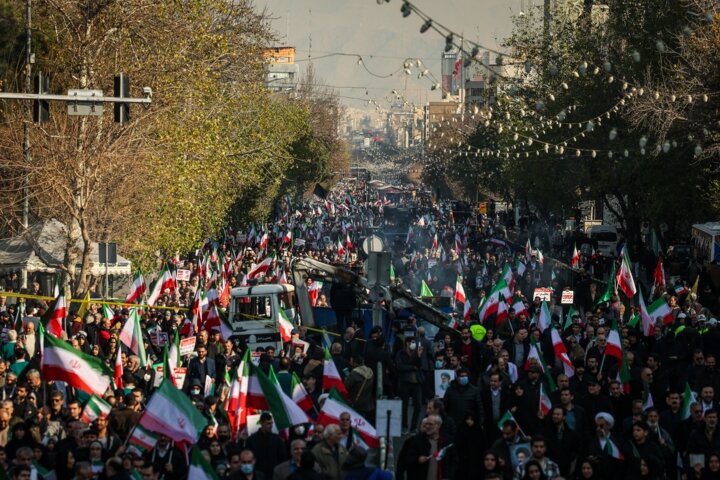
LONDON — Relying on divisions within Iran to bring about a coup against the system is merely an illusion. The war against Iran united the people's position more than ever. Before the war, the vertical division was based on the impact of the sanctions on the economic situation, which potentially led to great inflation.
There were also differences over how some people viewed the identity of the system, particularly the issue of freedoms and what is raised in the West about Iran on this matter. Iran is also the target of soft and propaganda warfare, which may have an impact on the Iranian domestic situation.
However, the barbaric manner in which the war began, with the killing of the Supreme Leader and the targeting of the first- and second-tier leadership, made the Iranian nation, across all its groups, sects and nationalities, feel that Iran itself was the target. This united the nation around defending Iran.
When claims are now being made about the existence of certain infiltrations, this is something neither the Iranian leadership nor Iran's governing institutions deny. The infiltration is broad and well-established. For decades, American, Israeli, and Western intelligence agencies have been forming and establishing cells of their own.
These cells expanded and developed into networks that became widespread institutions capable of carrying out attacks during assassinations or periods of unrest. This is what they attempted and carried out during protests over living conditions, turning demonstrations across large parts of the country into violent movements led by these intelligence-linked cells.
This is not division; it is infiltration. And no matter how extensive infiltration may be, it cannot take control of a country like Iran, which has strong institutions dedicated to protecting the revolution and the state. Nor can it encompass a broad segment of the population because people, driven by their sense of national loyalty, do not respond to such efforts and instead resist them.
Nevertheless, the infiltrations do exist and may have contributed to the assassinations of nuclear scientists and state leaders, as well as to obtaining information about the whereabouts of these leaders. It cannot be ruled out that these infiltrations extend from the lower levels all the way to the top.
But they remain, ultimately, at an individual level rather than a collective level capable of bringing about political change or a coup. And no one should expect government factions, whether conservative or reformist, to join such an effort.
Leave a Comment